




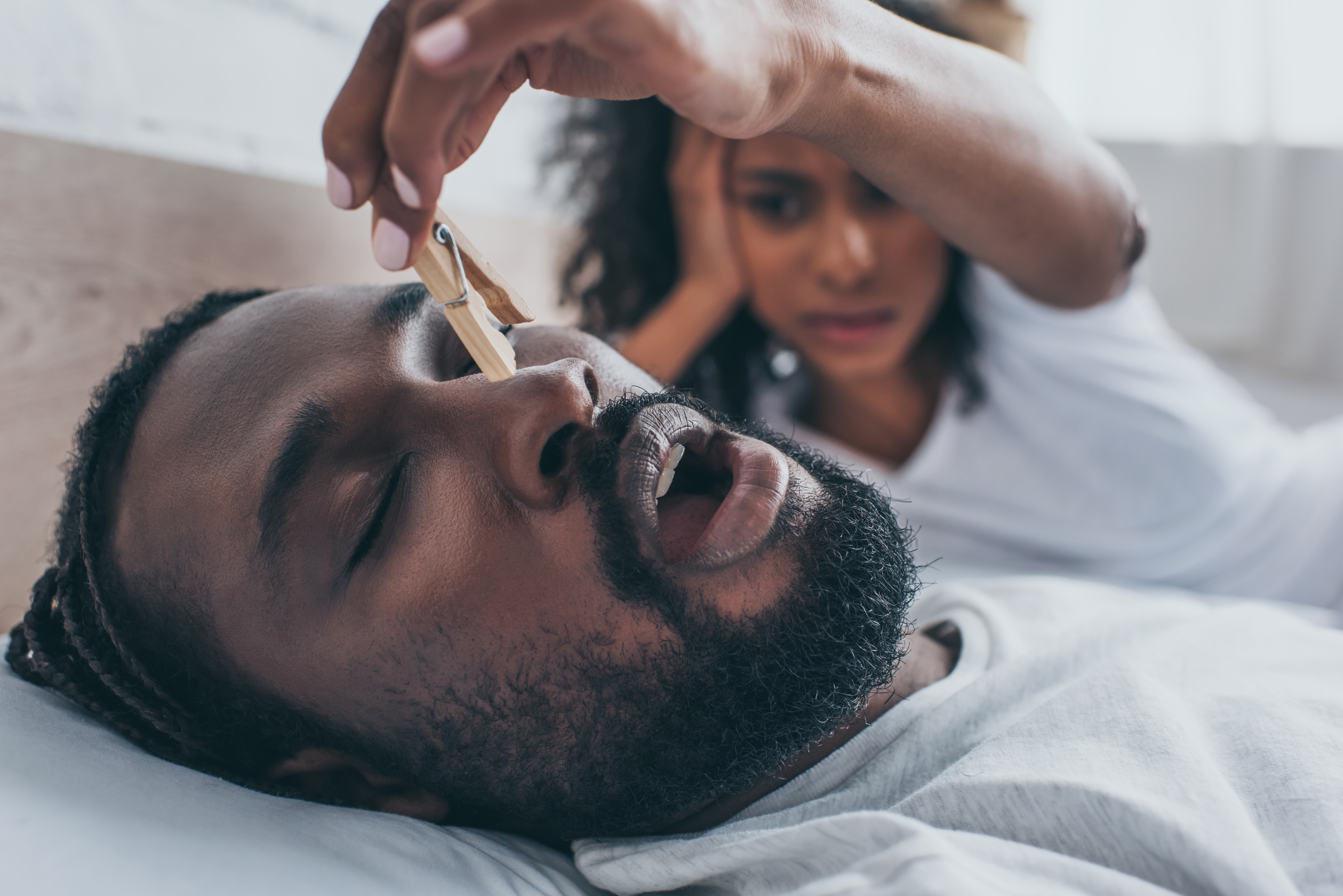
Sleep Apnea is a common sleep disorder characterized by repeated interruptions in breathing during sleep.
I don’t know about you, when I heard I had sleep apnea, my knowledge of the condition was shall we say, somewhat limited. I do remember my mother had to wear some kind of mask to help her sleep. Looking back, I don’t think I ever asked her why she had it, or what it did. I didn’t want to embarrass her, or perhaps, at the time for me, it wasn’t that big a deal. She passed five years ago (unrelated). I had totally forgotten about it, until I was told I had sleep apnea and that I had to get a CPAP machine. When I told my dad, the first thing my dad said, was oh, your mum had one. She hated it. But now I know what sleep apnea is. To be honest, the CPAP machine is not that bad. Anyway, i thought you might find this useful.
1. Obstructive Sleep Apnea (OSA)
Definition: Obstructive Sleep Apnea is the most common form of sleep apnea. It occurs when the muscles in the throat relax excessively during sleep, leading to a temporary blockage of the airway.
Causes:
- Excess weight or obesity
- Enlarged tonsils or adenoids
- Structural abnormalities in the airway
- Family history of OSA
Symptoms:
- Loud snoring
- Episodes of stopped breathing during sleep
- Gasping or choking during sleep
- Excessive daytime sleepiness
- Morning headache
Sources:
- National Institute of Health (NIH)
- Mayo Clinic
2. Central Sleep Apnea (CSA)
Definition: Central Sleep Apnea occurs when the brain fails to send appropriate signals to the muscles that control breathing. Unlike OSA, CSA is not caused by a blockage in the airway.
Causes:
- Heart failure
- Stroke
- High-altitude exposure
- Neurological disorders
- Certain medications
Symptoms:
- Periodic breathing patterns
- Episodes of stopped breathing without obstruction
- Insomnia or difficulty staying asleep
- Excessive daytime sleepiness
- Shortness of breath that wakes you up
Sources:
- American Sleep Apnea Association (ASAA)
- Cleveland Clinic
3. Complex Sleep Apnea Syndrome (Treatment-Emergent Central Sleep Apnea)
Definition: Complex Sleep Apnea Syndrome, also known as Treatment-Emergent Central Sleep Apnea, is a combination of both obstructive and central sleep apnea. It is diagnosed when a patient treated for OSA with CPAP therapy develops central sleep apnea symptoms.
Causes:
- Initially triggered by obstructive sleep apnea
- CPAP therapy for OSA revealing central sleep apnea symptoms
Symptoms:
- Combination of OSA and CSA symptoms
- Persistent sleep disruptions despite CPAP therapy
- Excessive daytime sleepiness
- Snoring and gasping
Sources:
- Sleep Foundation
- American Academy of Sleep Medicine (AASM)
Understanding the different types of sleep apnea is crucial for proper diagnosis and treatment. If you suspect you have sleep apnea, consult with a healthcare professional for a comprehensive evaluation and appropriate management.


