




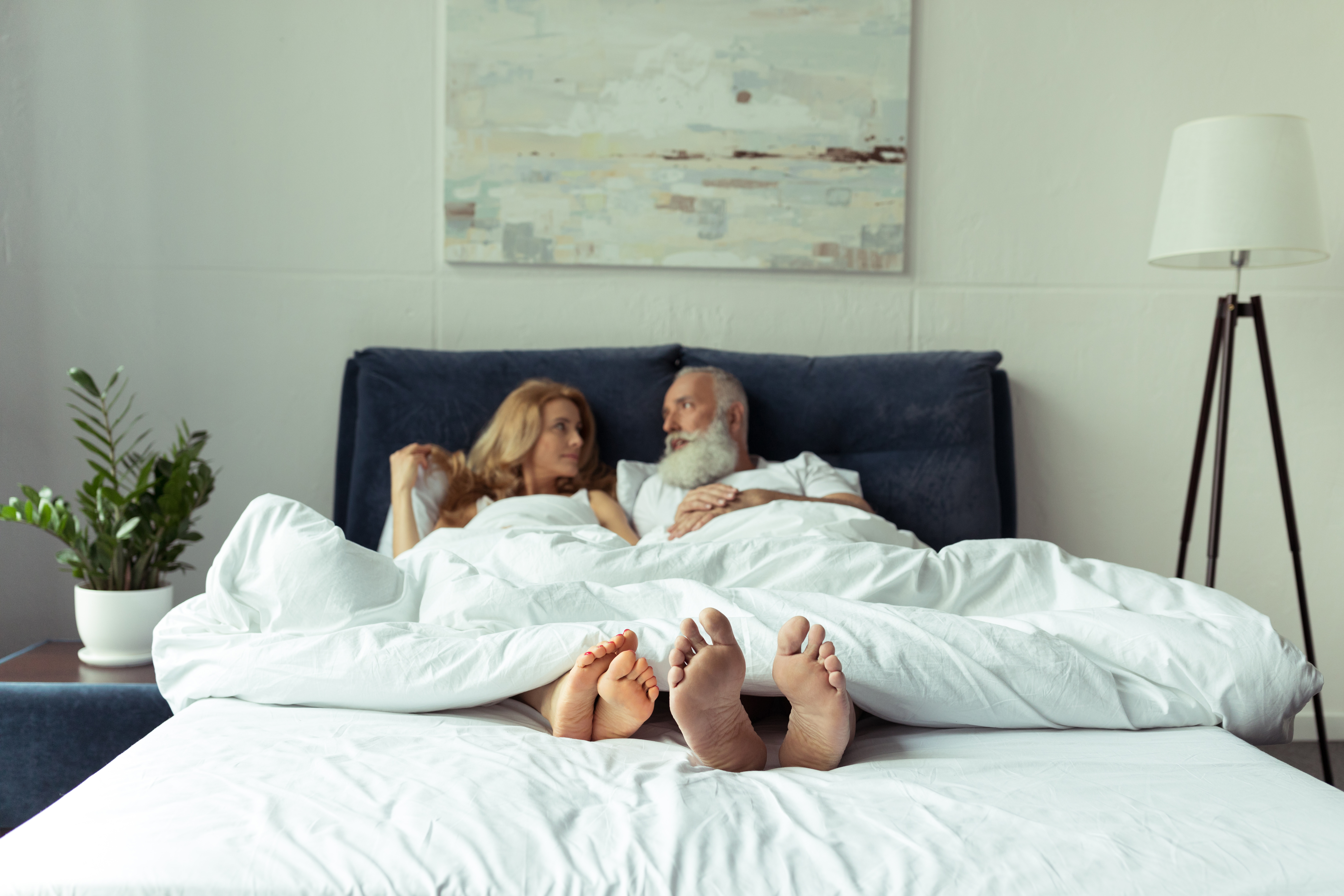
Enhance your sleep quality with useful sleep hygiene tips and create the perfect sleep environment for those over 50
To be honest, I had never hear the term until recently, but apparently, I have been getting sleep hygiene all wrong for more than 50 years. Had I been aware of the term, to me, sleep hygiene would have been about ablutions,, do whatever was needed, have a shower, brush my teeth, go to bed, and to sleep. Simple really.
There was a time where I could happily fall asleep any time and anywhere. All I needed was to be tired. And that was pretty much the case until fairly recently. For about a year I was having trouble sleeping at night and felt tired and sleepy during the day. I had no idea what was going on until I was diagnosed with sleep apnea, which kind of explained my situation. Who knew sleep could be so complicated.
Getting a good nights sleep when your 50 or even 60+ can be challenging for all kinds of reasons, and let’s be honest, we’ll take all the help we can get. So practicing good sleep hygiene makes sense, but what is sleep hygiene and how do we do it well?
Introduction
As far as I can ascertain, sleep hygiene is just a fancy way of saying “how not to sabotage your own sleep,” or on a more positive note, “how to create the best possible conditions for a good night’s sleep”. Sticking to a regular bedtime and making your bedroom a snooze-friendly zone. Importantly not doing daft things like downing a coffee or staring at your phone right before bed. Apparently alcohol is also not recommended.
For many of us over 50 and 60 years old, sleep can seem be as elusive as your car keys when you’re late and in a hurry, with a similar level of frustration. But here’s the thing, getting a good night’s sleep doesn’t have to be as complicated as it feels. Good sleep hygiene may not guarantee the sleep of the righteous, but it can go a long way, and it certainly can’t hurt. So let’s take a look at how we can improve our sleep hygiene, even, perhaps particularly for those of you, who like me, who never knew it existed.
1. Keep a Consistent Sleep Schedule
You know how kids thrive on routines? Well, newsflash: so do we. Your body’s internal clock, or circadian rhythm, loves nothing more than a good schedule. Go to bed and get up at the same time every day. Yes, even on weekends. It’s not exciting, but neither is being grumpy from lack of sleep. According to the Sleep Foundation, having a regular sleep schedule can positively affect key areas in your life including your mental and physical health as well as performance. .
2. Optimize Your Bedroom Environment
Your bedroom should be your perfect personal sleep palace—cozy, quiet, and just the right temperature.
- Temperature: Aim for cool but not arctic—somewhere between 60-67°F (15-19°C) should be about right.
- Lighting: Keep it dark, but not dungeon-dark. If you feel they can help, feel free to use blackout curtains or an eye mask.
- Noise: If it’s noisy, drown it out with a fan or white noise machine. No fan? Earplugs can work wonders. I live din New York City for a few years, where to be honest, you just had to et used to it. It may be why for so long I was able to sleep quite happily anywhere. Noise just didn’t bother me. But that was then.
3. Invest in a Comfortable Mattress and Pillows
It’s not just about aesthetics—your mattress and pillows are the unsung heroes of good sleep.
- Tip: If your mattress is older than your kids, it’s time for an upgrade. And don’t skimp on the pillows—your neck will thank you. According to the Sleep Foundation, “Sleeping on the right mattress can often make the difference between getting a good or bad night’s sleep. A good mattress can help relieve pressure points, align the spine, and regulate body temperature, all of which can help you sleep through the night and wake up pain-free and ready to start your day.”
4. Limit Exposure to Screens Before Bed
Ah, the blue light blues. Your gadgets are keeping you awake—and not in the fun way.
- Tip: Turn off screens at least an hour before bed. Instead, try reading (a real book, not a Kindle) or meditating. According to the National Sleep Foundation’s 2022 Sleep in America® Poll, a major source of artificial light in Americans’ daily routines comes from computer, tablet, and smartphone screens. 80% say they looked at screens often during the past week during the day, 68% reported staring at screens in the evening, and most troubling from a sleep-health perspective—58% are looking at screens within an hour before bedtime.
5. Watch What You Eat and Drink
What you put in your body matters, especially when it’s close to bedtime.
- Caffeine: You might love it, but seriously, it doesn’t love you back. Cut it off at least 6 hours before bed.
- Alcohol: A nightcap might sound nice, but it messes with your sleep. Just say no.
- Heavy Meals: Leave the midnight snacks for the teenagers. Eating heavy late at night, can play havoc with your sleep.
According to the National Sleep Foundation, “eating too much food or too close to bedtime may also interfere with healthy and sound sleep”.
6. Develop a Relaxing Bedtime Routine
Routines aren’t just for mornings. It’s just possible that your nighttime routine can make or break your sleep.
- Tip: Think baths, reading, or even some light stretching. The goal is to wind down, not wind up. The Cleveland Clinic says that having a bedtime routine can improve sleep onset and quality by 20-30%.
7. Get Regular Exercise
A little sweat can go a long way toward better sleep. Just don’t do it right before bed.
- Tip: Aim to wrap up intense workouts a few hours before you hit the hay. Gentle yoga is fine closer to bedtime. According to The Sleep Foundation, “studies have found that proper exercise can alleviate sleep-related problems and help you get an adequate amount of rest.
8. Manage Stress and Anxiety
Stress is perhaps, the ultimate sleep thief. Time to send it packing.
- Tip: Incorporate stress-busters into your day, like meditation, journaling, breathing exercises, or maybe just take a relaxing stroll.
According to Sleep Doctor, surveys suggest the stress of the COVID-19 pandemic has taken a significant toll on sleep quality, with one study finding that 41% of people experienced negative changes to their sleep quality in large part due to COVID-related stress.
Conclusion
Creating the perfect sleep environment and sticking to good habits shouldn’t to be a chore. It’s about making small changes that can lead to big improvements in your sleep quality. You could even start tonight? Maybe you are already doing many of the things mentioned above. But when you take control of your sleep hygiene, your future, well-rested self will thank you.
What’s your sleep hygiene ? Please share your experiences and any tips or tricks you may have.
Subscribe to Three Score for more tips on sleep, wellness, and living your best life after 50.


