



Discover how strategic napping can boost your health and energy without disrupting your night’s sleep.
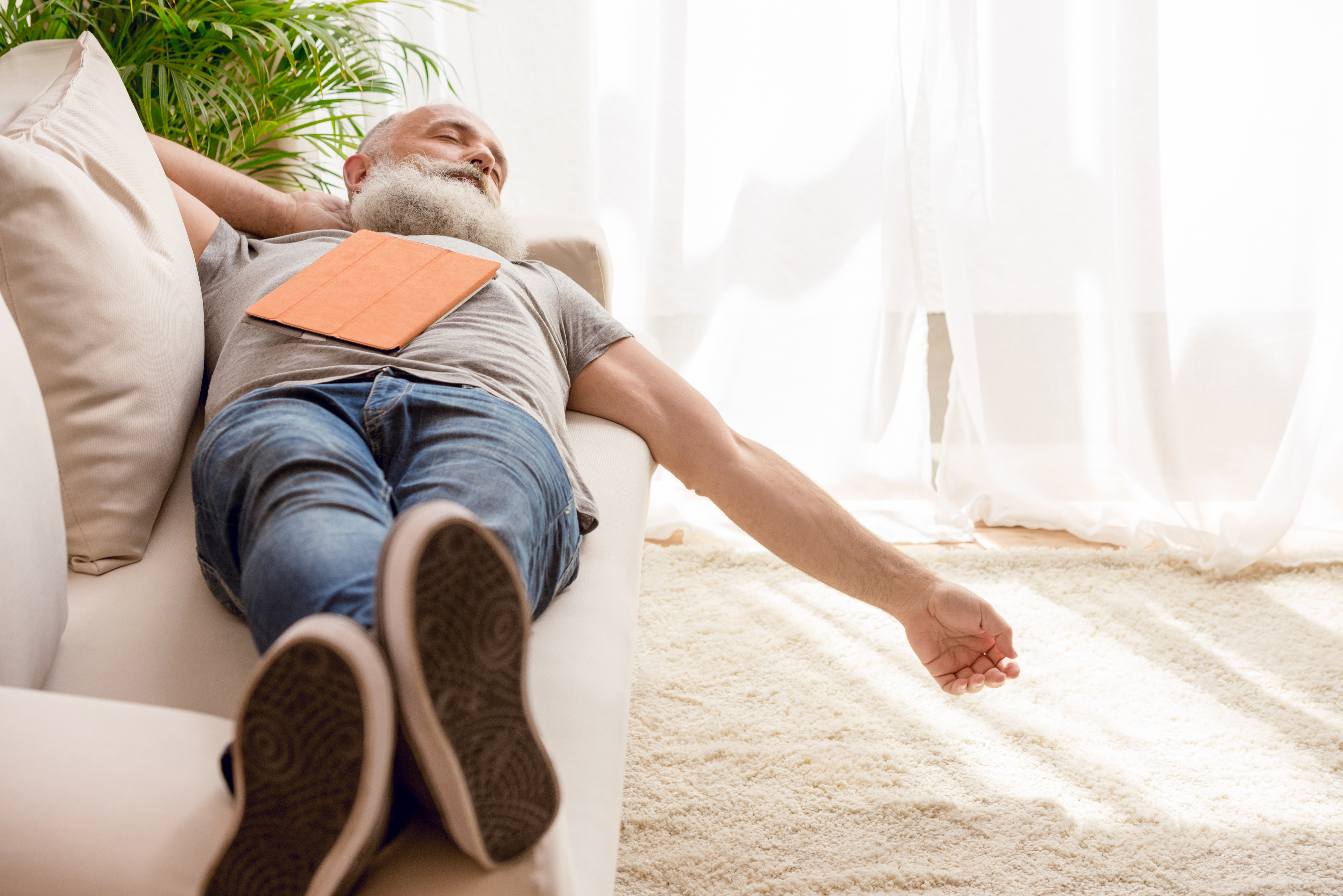
Full transparency, I’m not a napper. I cannot sleep during the day. If I do, I wake up with such a headache, or feeling really groggy. So I don’t nap. Friends, on the other hand, swear by it. Of course it tends to be at the weekend, where they enjoy a kip for anywhere between 30 minutes and a couple of hours. Personally I donlt get it, but it works for them, and who am I to argue. Horses for courses I suppose.
And then there’s the power nap, anything from 10 to 30 minutes in the middle of the day to reenergise during the working day. Again, not really my thing, but again friends tell me it’s highly effective and gives them a boost in the day. As we get older, although we donlt want to admit it, we have a lot less energy, the idea of a nap could make a lot of sense, but only if it doesn’t adversely affect our ability to sleep at night. So what are the benefits of napping, and how to you take advantage of them without ruining your chances of a good night’s sleep.
Introduction
Some talk about the art of napping. It needs to be mastered. There’s something inherently luxurious, or indulgent about a well-timed nap, especially as we get older. But, as with many things in life, timing is everything. While a good nap can recharge your batteries, napping at the wrong time or for too long can turn your nighttime sleep into a toss-and-turnathon. Let’s explore the benefits of napping for those of us over 50 or 60, and importantly, how to do it right.
Why Napping is Good for You
Napping isn’t just for toddlers and your grandpa. It can be rejuvenating and a great help in maintaining your health and well-being as you age. Here’s why:
Boosts Memory and Cognitive Function
- Benefit: A short nap can enhance memory, improve cognitive performance, and even increase your alertness for the rest of the day. This is particularly important as we age and our cognitive abilities naturally begin to slow down.
- Statistic: According to a study by the Journal of the American Geriatrics Society, older adults who napped for 30 minutes or less experienced improved memory and cognitive function compared to those who didn’t nap. Source
- Improves Mood
- Benefit: Feeling a bit cranky? A nap can be the perfect remedy. Short naps can boost your mood and help you feel more positive and less stressed for the rest of the day.
- Statistic: Research from the National Sleep Foundation suggests that napping can reduce stress and improve overall mood, particularly in older adults.
- Supports Heart Health
- Benefit: Regular napping has been linked to better heart health. It can help reduce blood pressure and decrease the risk of heart-related issues, which is something we should all be mindful of as we age. A study published in Heart found that occasional napping (once or twice a week) was associated with a lower risk of heart attacks and strokes.
- Enhances Physical Performance
- Benefit: If you’re active (and you should be), whether you’re into gardening, golfing, or even hitting the gym, a nap can give you the energy boost needed for better physical performance. According to Technogym, “being lazy and sleeping a bit can actually benefit your sports performance”.
The Art of Napping: How to Do It Without Ruining Your Night’s Sleep
While the benefits of napping are clear, you want to approach napping strategically to avoid messing with your nighttime sleep. So, here are some tips:
- Keep It Short
- Tip: Aim for a nap that’s 20 to 30 minutes long. This is long enough to refresh you but not so long that it will leave you feeling groggy or disrupt your sleep cycle.
- Why It Works: Short naps help you enter the lighter stages of sleep, which provide the benefits of rest without dipping into the deeper stages that could impact your nighttime sleep.
- Nap Early in the Day
- Tip: The best time to nap is usually in the early afternoon, around 1-3 PM. Napping too late in the day could make it harder to fall asleep at your regular bedtime.
- Why It Works: Early afternoon naps align with your body’s natural circadian rhythms, helping to boost energy without affecting your nighttime rest.
- Create a Napping Environment
- Tip: Set the scene for a good nap by ensuring your environment is quiet, comfortable, and free of distractions. Use an eye mask or white noise machine if you feel the need.
- Why It Works: A comfortable environment makes it easier to relax and fall asleep quickly, which is how you best maximize the benefits of your nap.
- Listen to Your Body
- Tip: Not everyone needs a nap every day. Pay attention to how your body feels. If you’re tired, go ahead and nap. If you’re not, there’s no need to force it.
- Why It Works: Being in tune with your body’s needs helps you avoid unnecessary naps that could interfere with your nighttime sleep.
Conclusion
Napping can be a fantastic way to recharge your batteries, boost your mood and energy. It can even improve heart health as you age. However, you want to be smart and strategic with your napping. Keep it short, nap early in the day, and create a restful environment. That’s how you can enjoy all the benefits of napping without risking your nighttime sleep.
Are you a napper? Do you find napping helps or hinders your sleep? Please share your experiences and tips you may have.
Subscribe to Three Score for more on sleep and overall wellbeing in your 50s and 60s.


