




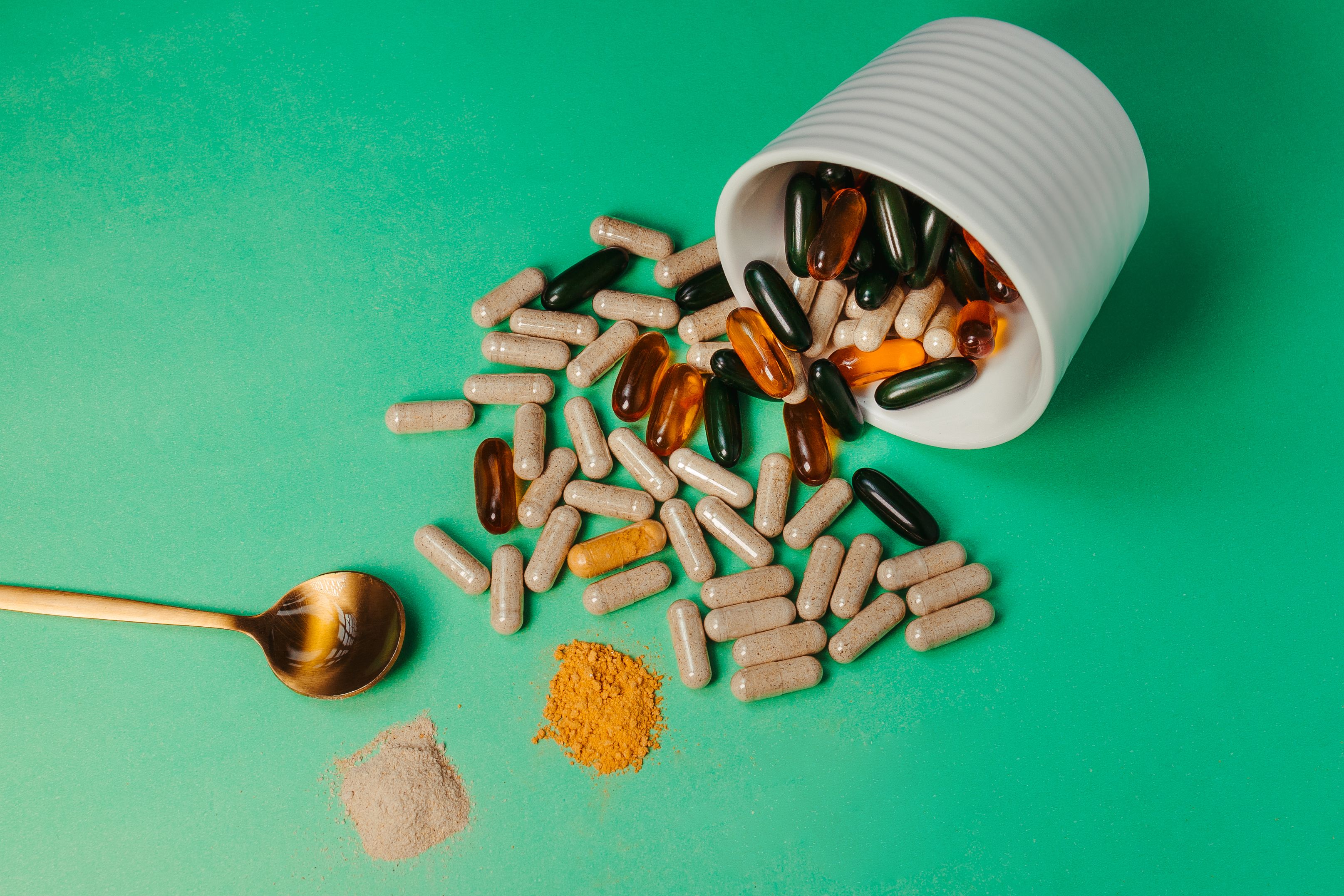
Now a $50 billion business and growing, do vitamin supplements actually deliver?
I never took pills, not painkillers, not sleeping tablets, or whatever. I never liked the idea of sticking chemicals in my body. I suppose I’m cynical when it comes to pharma. So, I never took pills. And I never used vitamins, even when I lived in the US.
But things change. After a heart attack at the tender age of 47. I was put on blood thinners and statins. After the first few months and once I had recovered from my near death experience, I approached my cardiologist and asked if I could stop taking the pills. To my surprise, he told me I could.
Relieved, I asked if there was a natural alternative. He told me there wasn’t. I then asked him, “what will happen if I stop taking the pills.” He casually responded, “you’ll die”. Ever since, every morning starts with a cocktail of pharmaceutical drugs that are supposed to prevent my early demise.
My family doctor recently informed me that I have a vitamin D deficiency. “So I’ll get more sun”, I said. “No” she said, you need supplements. I have my doubts. Do vitamin supplements really make a difference?
Vitamins are expensive! And certainly far too expensive if as I once read, 90% of the benefit of vitamin supplements exits your body with your urine. So I reckoned I should explore the matter of vitamin supplements and see if I am right to be cynical, or if I as people are telling me, I should get in to the habit, and stump up for a daily dose?
The Vitamin C Conundrum
Vitamin C, is probably the only one I knew about as a child. Oranges and orange juice were full of vitamin C which apparently was pretty good for you. Apparently it’s the poster child for immune support. It was supposed to help, or even stave off the common cold.
Vitamin C is really good for you, and is recommended. A daily dose can help maintain a robust immune system. You may have heard of scurvy. I only know it from all the old pirate films I watched with my dad.
Well, it’s caused by a vitamin C deficiency, which was very common among sailors hundreds of years ago, due to poor diets while out at sea. These days sailors get to eat pretty well, so all good on the high seas.
According to the National Institutes of Heath (NIH), Vitamin C deficiency differs markedly, depending on where you live, ranging from as low as 7.1% in the US to as high as 73.9% in northern India. Symptoms of deficiency include fatigue, inflammation of the gums, and easy bruising. But simply put, most of us get enough from our diets without needing to swallow some oversized pill the size of a golf ball.
Unless you’re a scurvy-ridden pirate (in which case, I do applaud your commitment to role-play), chances are your morning orange juice (not squash/syrup), or your “five a day” (even if you don’t do all five) will probably do the trick.
An actual orange is probably better, as apparently, an 8-ounce (240-ml) serving of orange juice has about twice the calories and sugar of a whole orange. Once squeezed, the juice loses some vitamins and beneficial plant compounds during processing and storage. If you want to avoid the sugar altogether, that me be an argument to go for the supplement. Your call
Vitamin D – The Sunshine Vitamin
So this is the one supplement I do take at the moment. Doctor’s orders… If you live in a warn sunny climate, then you should be OK. If you don’t, or for whatever reason you tend to avoid the sun, then this may be yours too.
If you’re living in Alaska, Norway, the south of Argentina, the UK, you get the idea; well due to lack of sunshine, it is all too easy to be Vitamin D deficient. And when you get to a “certain age”, Vitamin D is crucial for maintaining bone health. It can also ward off osteoporosis, which is about as appealing as a visit to the dentist.
According to The National Health and Nutrition Examination Survey, nearly half of Americans are vitamin D deficient, which can have dire consequences. Symptoms can include muscle weakness, bone pain, even increased risk of fractures. If for whatever reason you don’t fancy moving to a tropical Island or the desert, maybe your addicted to ice fishing; then supplements may be for you.
Here they can be truly beneficial, especially during the darker months. I grew up in Scotland and remember getting up and going to school while it was still dark, then getting home from school when it was already dark. November to the end of February could be brutal. If you can related, a supplement may be just the thing.
Vitamin B – Beneficial or Bogus?
B vitamins are the multitaskers of the supplement world. They support everything from energy levels to brain function. But do we really need to indulge in B-Complex supplements as if they were part of a trendy new diet?
For many of us, a balanced diet will keep us covered. However, deficiencies do occur, particularly, if over the years, you haven’t been that careful with your diet and have eaten pretty much whatever you wanted. Personally, I always enjoyed making the most of the culinary delights life has to offer. For me food is one of the great pleasures in life. Why wouldn’t we, particularly when we’re young?
When I had my heart attack, while in recuperation, I was sent to a dietician. She was very nice, very smart and not at all surprised when I described my eating habits. She went to great effort to explain the effects of various foods and provide me with a “healthy diet” moving forward.
Bottom line, if it tasted good, it was bad for me. If it tasted like cardboard, it was good. Call me crazy, but eating cardboard seems like a good way to lose the will to live.
Like many today, I eat a lot less red meat. I’m also working on reducing my sugar intake. My issue with sugar is, if I open a bar of chocolate or a packet of biscuits/cookies, I pretty much finish it all in one sitting. So I’m striving for some balance, but food is still a hugely enjoyable and important part of my life.
If you look at the stats, according to the NIH, “depending on the definition used, between 3% and 43% of older adults, especially those with atrophic gastritis, have vitamin B12 deficiency based on serum vitamin B12 levels.” Symptoms including fatigue, weakness, and memory loss.
If your energy levels are lower than a snail on a Sunday, supplements might be worth considering. But the effect may be less than you would hope. Don’t expect miracles. You may no longer leap tall buildings in a single bound, but there are always plenty of smaller buildings around.
Calcium – The Backbone of Bone Health
They say calcium is the granddaddy of bone health. For years, we’ve been fed the message that milk is the answer. Remember those old milk adverts? “It does a body good!” or “Got Milk”.
Well, at our age, calcium may be even more important. It has all kinds of benefits, for healthy bones and teeth, muscle movement and the nervous system. It can help with heart health, prevent osteoporosis. It might even help reduce the risk of high blood pressure. Calcium can even support healthy pregnancy, although I doubt that is an issue for most of us here.
I reckon we all have our issues, so, yeah calcium. Should we start drinking milk by the litre/gallon? What about lactose intolerance with all its nasty and uncomfortable symptoms (I won’t go into them here)? Cow juice after all, is really meant for baby cows is it not? I wonder, who was the first guy, or gal to decide to drink from a cows teat anyway? Me, I love my cheese. Couldn’t live without it, and wouldn’t want to.
But here again, supplements may be a good idea. According to the NIH, 43% of the U.S. population doesn’t get enough calcium from their diet, which can lead to osteoporosis and fractures. We talked about bones in the benefits. Calcium supplements can help, particularly for those who are lactose intolerant or just can’t stomach another glass of the white stuff.
Just know that too much calcium can lead to kidney stones, and trust me, you don’t want to experience those. Imagine peeing a golf ball. Yeh, ouch! Again, aim for balance. You want to keep your bones and teeth strong without turning your kidneys into sharp little pebbles.
Omega-3 – The Odyssey
Omega-3 fatty acids are the darlings of heart health, and for us, let’s face it, anything that helps the old ticker is worth investigating. Found in fish oil and some plant oils, Omega-3s can help reduce the risk of heart disease and ischemic strokes, and a whole lot more.
In fact according to the National Institutes for Health (NIH), “overall, research indicates that consuming fish and other types of seafood as part of a balanced diet promotes heart health, especially when the seafood is consumed in place of less healthy foods.” In addition, the FDA approved the claim that, “supportive but not conclusive research shows that consumption of EPA and DHA omega-3 fatty acids may reduce the risk of coronary heart disease.”
When I looked into it, I discovered that Omega-3s can help lower blood pressure, reduce triglycerides (a type of fat, called lipid , that circulate in your blood), reduce joint inflammation, nourish brain and eye functions, prevent and alleviate dementia, depression, asthma, migraine, and diabetes.
With a list like that I would have to say that Omega-3s are awesome. And if your diet consists of more fried, rather than fresh fish, or perish the thought, no fish at all, Omega-3 supplements could be a good call.
The Multivitamin – Myth or Marvel
There are three types of multivitamins
- Water-soluble vitamins – They dissolve in water and as a rule don’t usually accumulate in the body. They also have less side effects should you take an excess, e.g., B vitamins, vitamin C.
- Fat-soluble vitamins – They dissolve in fat and do accumulate in the body,. As such they can reach toxic levels with potential health risks when taken in excess, e.g., vitamins A, D, E, and K.
- Minerals – Are inorganic elements that can accumulate in the body. Again when taken in excess, they can be harmful to your health, e.g., iron, iodine, zinc, copper, selenium.
Could they be the panacea to all our aches, pains and worst fears? They’re certainly marketed as the “Swiss Army knife” of supplements, the one pill that can do it all, or so say the ads. But can they really, and do we need them?
For most of us approaching extra time in the game of life, id =f we have a reasonably balanced diet, a multivitamin might just be overkill. It’s a bit like using a sledgehammer to crack a nut. Sure, it gets the job done, but it’s not exactly efficient. If you have specific deficiencies, targeted supplements are the way to go.
Otherwise, you might just be creating expensive urine. According to Harvard health, “there is still limited evidence that a daily cocktail of essential vitamins and minerals actually delivers what you expect. Most studies find no benefit from multivitamins in protecting the brain or heart.” But then again, there could be potential benefits and they are pretty much no risks to one standard multivitamin a day. So, “why not”, some may say.
Multivitamins are easily stored in the body and exppelled when they’re over-capacity. In other words, according to Dr. Joan Salge Blake, a nutritionist and associate professor at Boston University, “those multivitamins will just wind up in the toilet.” She then added, “Americans have the most expensive urine in the world.”
In Conclusion
So, at our age, are vitamin supplements a blessing or a bit of a con? The answer, as with most things in life, lies somewhere in the middle.
Supplements can be useful by filling in nutritional deficiencies, particularly when it comes to Vitamin D and calcium. They can help maintain health, increase fitness and energy levels, whether you want to chase the grandkids around, keep up with your new girl or boyfriend, or trek up Kilimanjaro.
But they’re not a magic pill. You are always going to need a balanced diet, rich in fruits, vegetables, lean proteins, whole grains and whatever. Remember balance is the key, and well, a little of what you fancy does you good regardless.
Before you open a mini health store in your home and start rattling round the house with all those pills, have a chat with your doctor, or nutritionist . They should be able to help you figure out if and what you are lacking.
If vitamin supplements are your thing, power to you. If you think to yourself, “well, they can’t do me any harm”, you are probably right. And if you have a deficiency in a particular area, then it would be silly not to. But if you don’t see the point or feel the need, that’s OK too.
For me, I take too many pills as it is, and have no desire to add to the mix. But I will be making more effort to eat well. I will probably keep more of an eye on my vitamin status than I have done. Still much to do, and best to stay healthy if I want to get it done.
And much prefer to do so with a spring in my step and dare I say it, a twinkle in my eye. Finally I say, stay young, stay curious, keep questioning the status quo, and enjoy the journey. The destination at the end of the day, is the same for us all. I reckon its far more about the journey. The fitter and healthier your are, the more you can enjoy.
Let us know what you think, and how you get on.


