




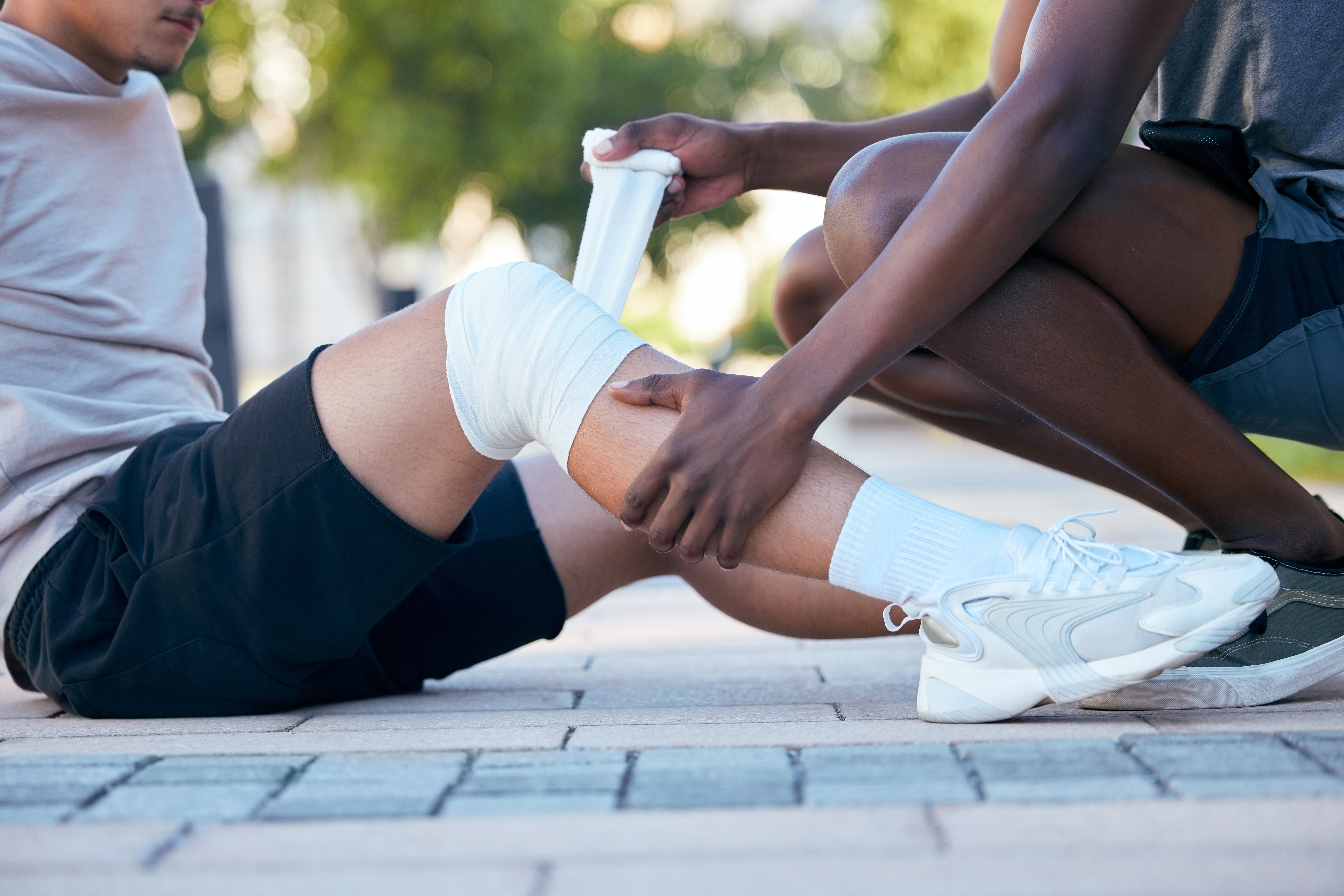
Stay in the game and injury-free in your 50s and 60s, with practical advice to keep you active and doing the sports what you love.
It seems like every time I dare to play any sport these days, more often than not, I come away with some kind of injury, which takes far too long to heal. So what to do? Sport has always been a part of my life, from golf to tennis, skiing to beach volley ball. I played Sunday league football for the best part of twenty years. I ran marathons, played squash, rode horses and more. In short.
In short, I have always been active and I suppose very lucky. I was never one to warm up and cool done. I tended to take my level of fitness for granted and never really looked after myself. I even remember when I played football (soccer) that back in the day, half time meant a cigarette before the second half. these days are long gone, and I haven’t smoked for nearly 20 years, Can’t believe I ever did.
But these days, what is it they say. The mind is willing, but the body is lagging behind, far behind. I sued to love running, but now every time I try even a few miles, either my back, my ankles or my knees remind me that I should have taken better care of myself when I was younger. Beach volley ball, I love, but again, my knees, and my shoulders, less so. I have gotten used to the fact that if I want to play sport, I have to accept that I am going to hurt for a day or two, maybe more. I went horseback riding the other day. Let’s just say, my back wasn’t happy with me, but was happy to show its displeasure.
My kids started nagging me, telling me I need to take better care of myself and continue playing sport. They don’t want an invalid for a dad, and to my delight, they still want to hang out and play with, even challenge me. I can still take them, if only just. So, my number one priority is to work out how best to avoid injury, so as I can keep up with them. I’ve been looking into what and how and thought it was worth sharing.
Introduction
Many of us in our 50s and 60s have no desire to slow down. I many ways, we’re more determined than ever to stay active, and keep playing the sports we love, maybe even try something new. Whether it’s on the golf course, the tennis court, or even some extreme, like rock climbing, mountain biking, whatever, we’re not as young as we used to be, and denial is not a river in Egypt. Let’s face it, our bodies aren’t quite as forgiving as they used to be. We’re not as supple, not as flexible and not as strong as we were. We’re more prone to injury and to make matters worse, injuries that once healed in days now take weeks. The point is, a little extra care can go a long way in keeping us in the game. This guide will walk you through how you prevent sports injuries in your 50s and beyond.
Understanding the Aging Athlete
Being active in your 50s and 60s doesn’t mean you have to resign yourself to gentle strolls in the park, lawn bowling or anything else slow and safe, unless of course, that’s your thing. Many of us playing the second half of their lives continue to engage in vigorous, even extreme sports. It’s just that we need to recognize that as we age, our muscles lose some mass, our joints can become less flexible, and recovery time lengthens. With that in mind, here’s some stuff we need to know, and what we can do…
- Increased Risk: Your body is more prone to strains, sprains, and fractures.
- Slower Recovery: Injuries take longer to heal, making prevention crucial.
- Proactive Steps: With the right approach, you can stay active and reduce the risk of injury.
Warm-Up: The Most Important 10 Minutes of Your Workout
Gone are the days when you could leap straight into a match or a workout without so much as a stretch. A proper warm-up is no longer optional, it’s essential. A good warm-up increases blood flow to your muscles, making them more pliable and less prone to injury.
- Tip: Start with 5-10 minutes of light cardio. Think brisk walking, a short jog, followed by dynamic stretches (really important) like leg swings or arm circles.
- Statistic: A 2020 study published in the Journal of Aging and Physical Activity found that adults over 50 who engaged in a proper warm-up routine before exercise were 25% less likely to experience muscle strains and other injuries compared to those who skipped the warm-up.
Don’t Skip the Strength Training
Strength training isn’t just for bodybuilders. Building muscle is about protecting your joints and improving your overall athletic performance. Stronger muscles help stabilize your joints, reducing the likelihood of injuries.
- Tip: Focus on compound exercises like squats, lunges, and push-ups that engage multiple muscle groups. Aim for two strength sessions per week, and don’t forget to include your core. It’s pretty much the foundation for most everything you do.
- Statistic: According to a 2021 report by the American College of Sports Medicine (ACSM), regular strength training can reduce the risk of falls and related injuries in older adults by 30% to 40%, enhancing muscle strength, balance, and overall physical function.
Flexibility and Balance: Keys Elements to Staying Injury-Free
Flexibility and balance tend to decline with age, which can lead to mishaps ranging from minor trips to serious injuries. Maintaining flexibility keeps your muscles and joints moving through their full range of motion, while good balance helps you stay upright… literally.
- Tip: Incorporate yoga or Pilates into your routine to improve both flexibility and balance. If those aren’t your style, simple stretches and balance exercises, like standing on one leg, can make a big difference.
- Statistic: The American Council on Exercise reports that adults over 50 who engage in regular flexibility and balance exercises can reduce their risk of falls by up to 30%.
Rest and Recovery: Listen to Your Body
Recovery is crucial, especially as we age. Ignoring aches and pains in your 50s can turn a minor issue into a full-blown injury that sidelines you for weeks or even months.
- Tip: Make rest and recovery a part of your training routine. Ensure you’re getting enough sleep (7-9 hours) and don’t hesitate to take a rest day when you feel your body needs it. Active recovery, like light walking or stretching on your days off can keep you limber without pushing your limits.
- Statistic: According to the National Institute on Aging, older adults who incorporate rest and recovery into their exercise routines are less likely to experience overuse injuries.
Choose Your Battles: Sport Selection and Modification
Staying active doesn’t mean you need to stick to low-intensity sports, but it does mean being smart about your choices. Some sports are kinder to aging joints, while others might demand some changes in your approach to keep you safe.
- Tip: If you’re committed to more intense sports, consider modifying your approach. For example, if you’re a runner, try switching to trail running or softer surfaces to reduce impact. Whatever your game, extreme or otherwise, make sure you wear the right gear, whatever that might be, supportive shoes, braces, padding, or other protective gear, can make all the difference.
- Statistic: According to a study by Harvard Health Publishing, low-impact exercises, such as walking and swimming, are associated with a lower risk of injury and are recommended for adults over 50 to maintain fitness while minimizing the risk of injury. But hey, what do they know?
Know When to Call in the Experts
Even the most seasoned athletes seek help at time. Persistent pain or discomfort isn’t something to tough out, particularly at our age. Consulting a professional can make all the difference in staying active and injury-free, or help with recovery from injury when it happens.
- Tip: Regular check-ins with a physiotherapist, sports doctor, or personal trainer can catch issues before they become serious. If you’re new to a sport or activity, consider working with a trainer to get your started, to ensure you’re using proper form and technique from the start.
- Statistic: According to a report by the American Physical Therapy Association (APTA), engaging in regular physical therapy can help older adults reduce the risk of injury and maintain mobility, with about 30% of participants reporting improved physical activity levels.
Conclusion
Staying in the game and up to speed your 50s and 60s is about playing smarter, not necessarily playing safer. But warm-ups, strength training, flexibility, and balance exercises, and by paying attention to rest and recovery, can ensure you continue to enjoy your favourite sports, and stay at the top of our game for longer, without fear of injury. It’s all about adapting and enjoying every moment on the field, court, course, canyon, or wherever you want to be.
What’s your go-to strategy for staying injury-free? Share your experiences and any tips you may have.!
Subscribe to Three Score for more expert advice on sport & leisure, health & fitness, along with other key elements of live after 50. In the meantime, stay string, stay active and stay injury free.


