




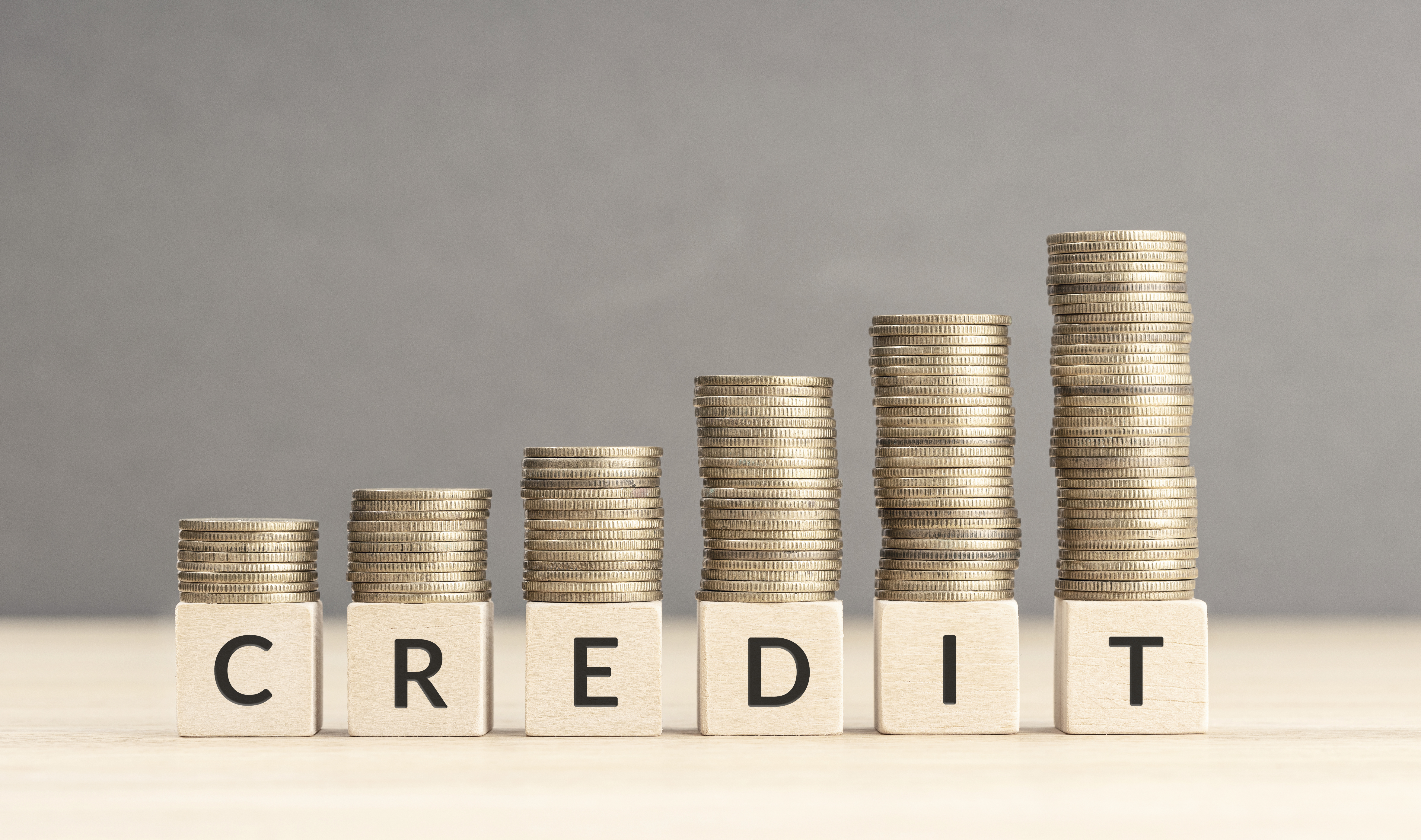
Paying off debt is one thing, but then you want to be able to rebuild your credit score. Learn effective strategies to restore your credit and restore financial stability as you get older.
Paying off the debt is only half the battle. Depending on how bad things got, your credit score could have taken a knock. When I had issues, I went down the consolidation route to make things easier. Basically, took all my debt from credit cars, loans etc, and replaced them with one long term loan with a lower interest rate, to minimise my payments and create a long term plan.
I had too much money going out on various payments and was in danger of failing to make the payments. So, this solution provided me with one lower monthly payment, albeit, it would take me longer to finish paying off the debt. The thing is that the difficulty I had been having affected my credit score. It’s not that I wanted to take on more debt, but if I had an unexpected expense, needed to change my car, borrow for my business, rent an apartment, help my kids or whatever, it could be difficult to get approved. It can happen to anyone, and happens to more than you would think. So here are some useful tips and tricks that can help rebuild our credit after getting ourselves through that rough patch.
Introduction
I expect Congratulations are in order. Paying off a nagging debt that’s been hanging over your head for longer than you care to remember is an accomplishment. Whether it was credit card debt, a personal loan, or even medical bills, getting out of debt is no small feat, and it’s perhaps more challenging in your 50s or 60s. But as you breathe a sigh of relief, the next step towards financial stability is to rebuild your credit, which can be just as challenging. But, by taking the right steps, you can restore your credit and set yourself up and restore your financial health and credibility.
Understand the Importance of Rebuilding Credit
First, let’s talk about why rebuilding your credit is so important, especially as you age. Your credit score impacts more than just your ability to borrow money. It can affect your insurance rates, your ability to rent an apartment, and even your job prospects. A strong credit score can also provide peace of mind, knowing that you can have access to credit if an emergency arises.
Step 1: Check Your Credit Report
First, you want to know where you stand. Start by checking your credit report from the three major credit bureaus—Equifax, Experian, and TransUnion. You’re entitled to one free report from each bureau every year, which you can access through AnnualCreditReport.com.
Look for any errors or inaccuracies that could be dragging down your score. According to a 2021 Consumer Reports study, 34% of consumers found at least one error on their credit reports. If you find any mistakes, dispute them immediately and have them corrected. This can provide and instant boost your credit score.
Step 2: Make Payments on Time, Every Time
It’s stating the obvious, but it is worth repeating. This is critical to your credit score is your payment history. Paying your bills on time is the single most effective way to rebuild your credit. Even if you’ve paid off your debt, make sure to stay on top of any other obligations, such as utilities, rent, or any outstanding loans.
If like me you aren’t the most organised person, and you struggle with remembering to make payments, set up automatic payments or reminders. In this digital age, it’s so easy to do. According to FICO, payment history accounts for 35% of your credit score , so don’t underestimate the power of consistency.
Step 3: Consider a Secured Credit Card
If your credit score took a major hit from previous debt issues, getting approved for a traditional credit card could be challenging, to say the least. A secured credit card can be an excellent way to rebuild your credit. These cards require a cash deposit that serves as your credit limit, minimizing risk for the issuer and giving you a chance to prove your creditworthiness.
Use your secured card responsibly. Keep your balance low and pay off the full amount each month. Over time, your positive payment history will be reported to the credit bureaus, helping to boost your score.
Step 4: Keep Your Credit Utilization Low
Credit utilization is basically, how much of your available credit you’re using, and is another significant factor in the make up of your credit score. It’s tempting to take advantage of the credit available to you, but that can lead to trouble. As you rebuild your credit profile, aim to keep your credit utilization below 30% of your total credit limit. For example, if you have a credit limit of $3,000, try not to carry a balance higher than $1.000.
If you’ve recently paid off debt, your credit utilization may already be low, but it’s essential to maintain this level. Consider spreading out your purchases across multiple cards or making smaller, more frequent payments to keep your balance in check. A 2020 report from Experian indicates that people with the highest credit scores tend to keep their credit utilization under 10% .
Step 5: Avoid Closing Old Credit Accounts
You might be tempted to close credit card accounts once you’ve paid them off, but, perhaps ironically, this can actually hurt your credit score. Closing an account reduces your available credit, which in turn can increase your credit utilization ratio. It can also shorten your credit history, which is another factor that affects your score.
Instead, keep old accounts open, especially if they don’t have an annual fee. Use them occasionally to keep them active, but always pay off the balance in full. A study published by the American Bankers Association in 2022 found that 15% of a consumer’s FICO score is influenced by the length of their credit history .
Step 6: Diversify Your Credit Mix
Lenders like to see a variety of credit types on your report, such as credit cards, auto loans, and mortgages. This shows that you can manage different types of credit responsibly. If your credit mix is lacking, consider taking out a small personal loan or using a credit-builder loan to add the desired variety to your report.
Importantly, remember to only take on new credit if you know you can handle the payments. The goal is to show responsible credit management, not to accumulate more debt.
Step 7: Be Patient and Persistent
Rebuilding credit is a marathon, not a sprint. It takes time, especially when you’re starting from scratch after paying off significant debt. It can months, even years, to see substantial improvements, but don’t get discouraged and stay focused. Every on-time payment and responsible credit decision you make is a step in the right direction.
Remember, your 50s and 60s are about setting the stage for retirement. Luckily, with age comes patience, at least for me. I am in far less of a hurry these days. By being patient and taking the time to rebuild your credit, you’re actually investing in your financial future. A higher credit score can mean lower interest rates on future loans, better insurance premiums, and more financial flexibility when you might just need it.
Conclusion
Paying off debt in your 50s and 60s is a challenge where managing to do so, is true accomplishment. It’s also a liberating experience. But it’s only part of your financial journey. Rebuilding your credit is just as important, requiring patience, persistence and discipline. These key steps, checking your credit report, making on-time payments, managing your credit utilization, and more, will steadily improve your credit score returning you to financial stability with increased flexibility, providing a greater degree of financial freedom and importantly, greater peace of mind.
Have you had issues with debt? Have you manged to pay off debts and successfully rebuild your credit? Please hare your story and any tips or tricks of your own.
Subscribe to Three Score for more on personal finances along with other key issues for navigating life after 50.


