




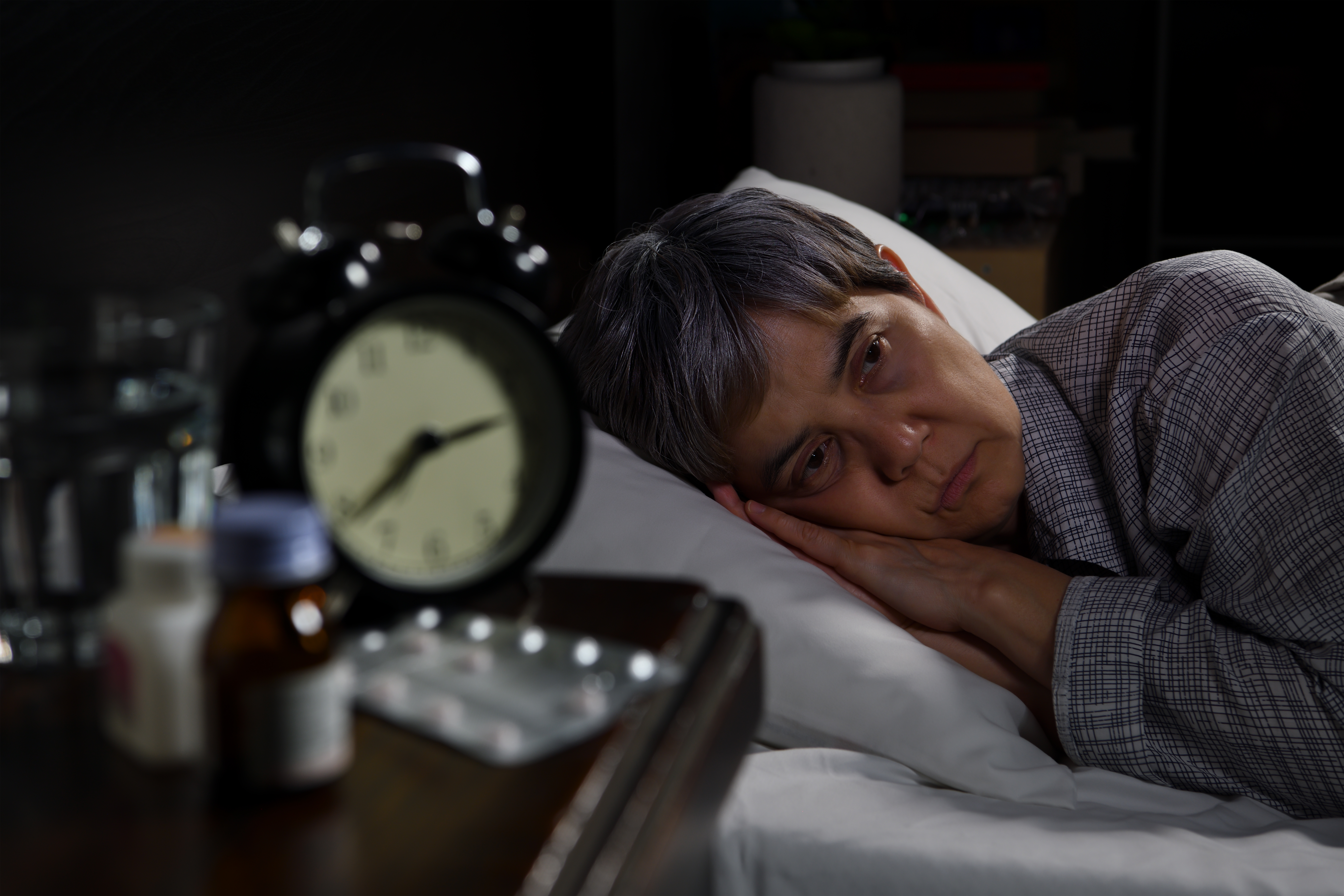
Explore the issues of sleep most affecting the over 50s, and discover practical strategies to help you sleep through the night, improving your rest and overall well-being.
Getting older can suck in many different ways, but trouble sleeping has to be one of the worst. We’ve all experienced results nights, tossing and turning unable to fall asleep, mind racing, getting more frustrated as the hours go by. It’s bad enough for one night, but for many of us over the age of 50 sleep becomes increasingly challenging and something we can no longer take for granted.
I always slept well. Never been a problem. At least, not one I was aware of. Finding out I have sleep apnea was a shock, but it did explain why I felt tried all the time. But I still slept through the night. Now, despite the discomfort and to be honest weirdness of the CPAP machine mask, I still sleep through the night. But I know many people our age who aren’t so fortunate, where sleep has become the bane of their existence. So I thought it would be a good idea to look at the most common sleep issues affecting the over 50s,
Introduction
Reaching your 50s brings a wealth of experiences and wisdom, but it can also come with a host of unexpected challenges, many of them health related, one of which is sleep. As we age, sleep can become more of an issue, far less regenerative, more fragmented, and sometimes downright elusive. But why does sleep become more challenging as we get older, and what can we do about it? Understanding the common sleep disorders that tend to affect people over 50 is the first step toward reclaiming those precious hours of rest in dreamland.
Insomnia: When Sleep Becomes a Struggle
What It Is:
Insomnia isn’t just the occasional sleepless night; it’s a persistent problem where falling asleep, staying asleep, or waking up periodically, and or too early becomes the norm rather than the exception. It can be short-term, lasting just a few weeks, or it can develop into a chronic condition that is as exhausting as it tis frustrating.
Why It Happens:
The natural aging process brings a reduction in melatonin production, the hormone responsible for regulating sleep. Couple this with increasing levels of stress, anxiety of life changes, the side effects of medications, or the discomfort from chronic health conditions like arthritis, and it’s no wonder insomnia is so prevalent. The National Sleep Foundation notes that 44% of older adults experience symptoms of insomnia on a regular basis.
What You Can Do:
Try not to reach for a sleeping pill, which can have side effects. Consider Cognitive Behavioral Therapy for Insomnia (CBT-I). This evidence-based approach addresses thoughts and behaviors that may be keeping you awake. In addition, try and create a consistent sleep hygiene. Sticking to a regular sleep schedule and avoiding screen time before bed can significantly improve your sleep.
Sleep Apnea: The Breathing Disruption You Can’t Ignore
What It Is:
My particular condition… Sleep apnea is where your breathing repeatedly stops and starts during sleep, usually due to a blockage in the airway. This can lead to frequent awakenings, though you might not always be aware of them. I had no idea until I was sent to test my sleep at a sleep clinic.
Why It Happens:
As muscle tone decreases with age, the risk of airway obstruction increases. Factors like weight gain and certain structural features of the airway, can also lead to sleep apnea in older adults. The American Academy of Sleep Medicine reports that 26% of adults aged 30-70 suffer from sleep apnea, with the risk increasing as we get older.
What You Can Do:
As in my case, you may have no idea. You may just feel tired all the time, despite believing you are sleeping well. If sleep apnea is suspected, it’s important to find out through a sleep study. Continuous Positive Airway Pressure (CPAP) machines are a common and effective treatment. I can tell you it takes some getting used to. But there are also alternative options like oral appliances or lifestyle changes, such as weight loss and positional therapy, which can also help reduce symptoms.
Restless Legs Syndrome (RLS): The Uncomfortable Urge to Move
What It Is:
Restless Legs Syndrome (RLS) causes an irresistible urge to move your legs, often accompanied by uncomfortable sensations. It typically strikes in the evening or at night, making it difficult to fall asleep.
Why It Happens:
While we don’t really know the full cause, RLS is thought to be linked to dopamine dysfunction in the brain. It’s also more common in those with iron deficiency or chronic diseases like diabetes. According to the National Institute of Neurological Disorders and Stroke, 10-20% of adults over 50 may experience RLS, with symptoms often worsening with age.
What You Can Do:
Lifestyle modifications can make a big difference. Regular exercise and physical activity, reducing caffeine and alcohol intake, and establishing a calming pre-sleep routine are all recommended. Failing that, In some cases, medication that affects dopamine levels can be prescribed by your doctor.
REM Sleep Behavior Disorder: When Dreams Become Actions
What It Is:
REM Sleep Behavior Disorder (RBD) involves physically acting out dreams during REM sleep. This can include talking, shouting, or making physical movements that correspond to your dream activity. As well as being of concern, it can drive your partner to distraction
Why It Happens:
RBD is often associated with neurodegenerative conditions such as Parkinson’s disease or Lewy body dementia. It occurs when the normal paralysis that happens during REM sleep is disrupted. While the disorder can occur at any age, it’s more common in older adults, particularly men.
What You Can Do:
If you notice symptoms of RBD, it’s important to consult your doctor or healthcare provider. Treatment usually involves medications like clonazepam, which can help manage the symptoms. It can also help to make your sleep environment safer, such as removing sharp objects (just in case) from the bedside and padding sharp corners can help prevent injuries. You may want to get your partner some protective gear ( only joking).
Circadian Rhythm Disorders: When Your Body Clock Falls Out of Sync
What It Is:
Circadian rhythm disorders occur when your internal clock, that regulates your sleep-wake cycles, is out of sync with your environment. This can result in sleep difficulties such as falling asleep too early or waking up too early.
Why It Happens:
Aging naturally shifts our circadian rhythms, often resulting in earlier bedtimes and wake-up times. However, for some, these shifts can be more extreme, leading to disorders like Advanced Sleep Phase Disorder (ASPD). Research published in Sleep Medicine Reviews suggests that 10-15% of older adults experience significant circadian rhythm disturbances.
What You Can Do:
Light therapy, where you’re exposed to bright light at specific times of the day, can help reset your body clock. Sticking to a regular sleep schedule and making sure your sleep environment is conducive to rest (comfy and relaxing) are key strategies for managing these disorders.
Conclusion
Sleep disorders are a common part of aging, but they don’t have to negatively affect or diminish your quality of life. Recognize the signs of these conditions and seek the right treatment. You can then take steps improve your sleep and, consequently, your overall health. Whether it’s practicing better sleep hygiene, seeking medical advice, or making lifestyle changes, there are plenty of ways to reclaim your nights, return to dreamland, and wake up feeling refreshed.
Are you having trouble sleeping? Please share your experiences and any tips you may have.
Subscribe to Three Score for more expert advice on sleep, wellbeing and overall health after 50. Sweet dreams.


