




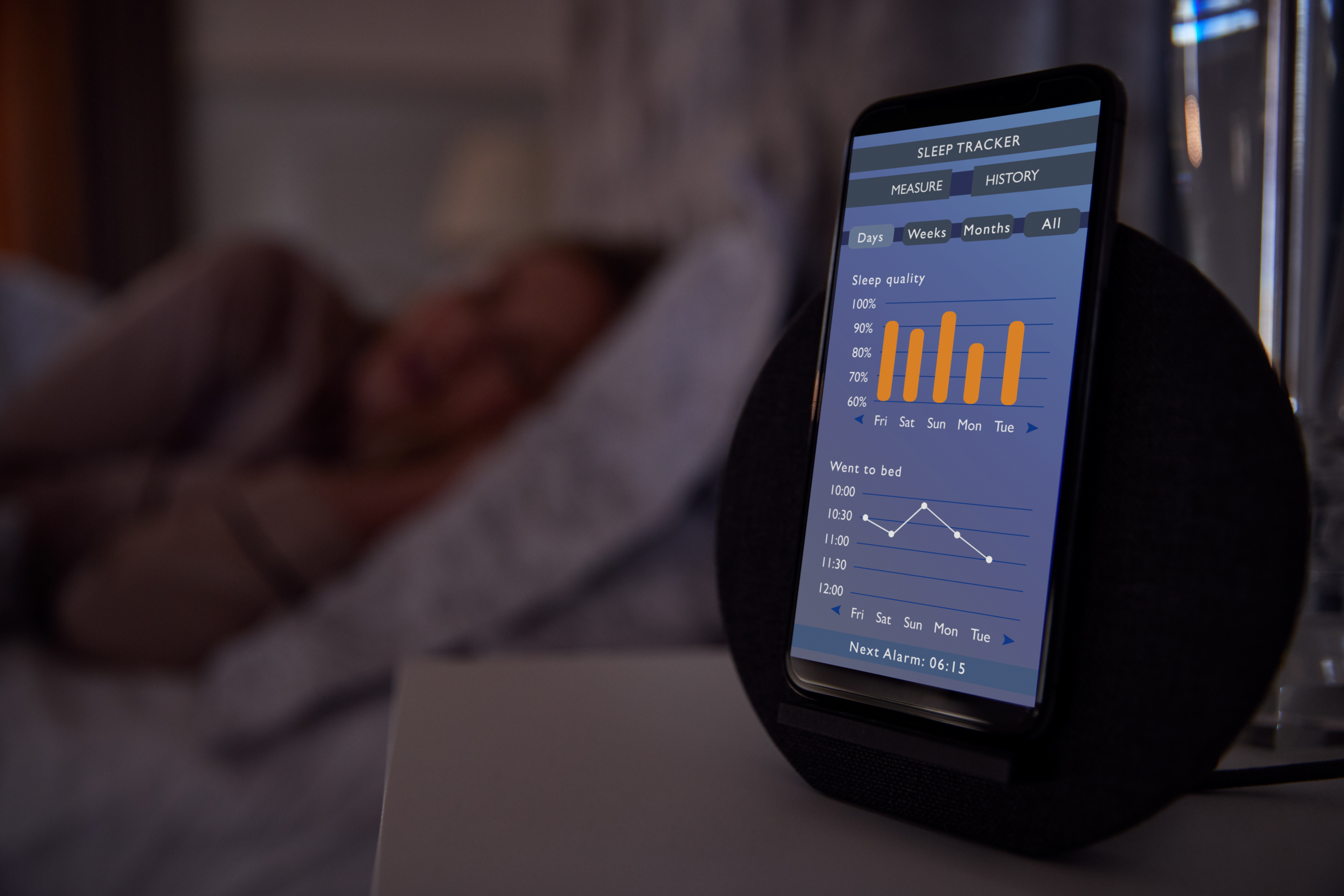
It’s staggering to discover how many of us struggle with a good night’ sleep. What would you give for your head it the pillow and fall into a blissful deep sleep that lasts through to the morning. Oh the simple things!
Unfortunately, it’s not that simple, particularly as we get older. I’ve always been pretty fortunate and enjoyed a good night’s sleep. Even in my mid fifties, I could fall asleep pretty easily and sleep through till morning. Recently however, while seeing an ENT (ear, nose & throat) specialist for a cough that just wouldn’t go away, he asked me if I had trouble sleeping. I replied not. He added that I needed to be checked for sleep apnea, and hey presto, I discover that in fact, I wake up 60 times an hour. Apparently I stop breathing which causes me to wake up, once every minute, but not to the extent that I am aware. I had not idea, although it did explain why I was always tired. So now, I am sleeping with a CPAP machine, which is a whole other story.
My mother bless her soul, had terrible insomnia and could never sleep for more than a couple of hours at a time. It had a detrimental effect on pretty much every aspect of her life. Sadly, my sister, now in her 50s, seems to be experiencing similar problems. Anyone who has problems of any kind with sleep, I’m sure can relate. So here we are going to explore the “Sleep Cycle” and see if we can gain a better understanding along with some tips and tricks to address our sleep challenges
Introduction
Sleep… The elusive friend that we often took for granted in our younger years. But as we move past 50, 60 and more, many of us find that getting a good night’s sleep isn’t as easy as it used to be. Whether it’s waking up in the middle of the night for no apparent reason, tossing and turning, or struggling to fall asleep in the first place, quality sleep seems to slip further from our grasp as we age. But why is that? Let’s take a look at the fascinating world of the sleep cycle and explore why it changes so dramatically after 50.
The Basics: What Is the Sleep Cycle?
Before we can understand why sleep changes as we age, we should probably know what the sleep cycle actually is. The sleep cycle is made up of several stages, each playing a crucial role in helping our bodies and minds rest and rejuvenate. A typical sleep cycle lasts about 90 minutes and includes four stages:
- Stage 1 (NREM): This is the lightest stage of sleep, where you’re drifting in and out of sleep. It’s easy to be woken up during this stage.
- Stage 2 (NREM): Here, your body starts to prepare for deep sleep. Your heart rate slows, and your body temperature drops.
- Stage 3 (NREM): This is the deep sleep stage, where your body repairs and regrows tissues, builds bone and muscle, and strengthens the immune system. It’s harder to wake up from this stage.
- REM Sleep: REM (Rapid Eye Movement) sleep is when most dreaming occurs. It’s also crucial for cognitive functions like memory and learning.
Throughout the night, your body cycles through these stages multiple times, with each stage having a different impact on your overall health.
Why Quality Sleep Declines After 50
So, what changes after 50? Why does it seem like quality sleep is more elusive as we age?
1. Changes in Sleep Architecture:
As we age, the structure of our sleep—also known as sleep architecture—changes. We spend more time in the lighter stages of sleep (Stage 1 and 2) and less time in the deep sleep stage (Stage 3). According to the National Institute on Aging, people over 50 experience a reduction in the amount of deep sleep they get each night. This reduction can lead to waking up more often, resulting in a less restful night overall.
2. Circadian Rhythm Shifts:
Our circadian rhythm, or internal body clock, controls when we feel sleepy and when we feel awake. As we age, this rhythm can shift, making us feel sleepy earlier in the evening and causing us to wake up earlier in the morning. This shift may lead to shorter sleep durations and disrupt the natural sleep cycle. A 2021 study published in the journal Sleep Medicine found that circadian rhythm changes are common in older adults and can contribute to sleep disturbances.
3. Increased Health Issues:
Let’s face it, getting older often comes with a few extra aches, pains, and health concerns. Conditions like arthritis, sleep apnea, and restless legs syndrome become more common as we age and can significantly impact the quality of sleep. The Sleep Foundation reports that nearly 50% of adults over 50 experience chronic pain, which can interfere with the ability to stay asleep or even get to sleep in the first place. Additionally, according to the American Academy of Sleep Medicine, about 30-50% of adults over 50 have insomnia symptoms.
4. Medication Side Effects:
With age often comes the need for more medications, whether they’re for high blood pressure, cholesterol, or other chronic conditions. Unfortunately, many of these medications can have side effects that disrupt sleep. For instance, beta-blockers, commonly prescribed for heart conditions, are known to cause insomnia or nightmares in some people. A study published in Current Opinion in Psychiatry in 2022 highlighted that 60% of older adults on medication reported sleep disturbances as a side effect.
5. Hormonal Changes:
Hormones play a significant role in regulating sleep, and as we age, these hormones can fluctuate. For women, menopause can bring about hot flashes and night sweats, which disrupt sleep. Men aren’t off the hook either. Lower levels of testosterone have been linked to poorer sleep quality. A study by the Mayo Clinic found that these hormonal changes can lead to fragmented sleep and difficulty maintaining a deep sleep stage. According to the National Sleep Foundation, up to 61% of postmenopausal women report insomnia symptoms.
What You Can Do to Improve Sleep After 50
Understand why sleep quality declines after 50, is only half the battle. Now, what can we do about it?
1. Stick to a Sleep Schedule:
Try to go to bed and wake up at the same time every day, even on weekends. Consistency helps regulate your body’s internal clock and can make it easier to fall asleep, sleep through the night, and wake up… in the morning.
2. Create a Relaxing Bedtime Routine:
Wind down before bed with a relaxing activity like reading, listening to music, or taking a warm bath. Avoid screens (like your phone or TV) for at least an hour before bed, as the blue light can interfere with your body’s production of melatonin, the hormone that regulates sleep.
3. Make Your Bedroom Sleep-Friendly:
Your sleep environment plays a huge role in the quality of your rest. Keep your bedroom cool, dark, and quiet. If needs be, consider using blackout curtains, earplugs, or a white noise machine.
4. Watch What You Eat and Drink:
Avoid large meals, caffeine, or alcohol before bedtime. While a nightcap might make you feel sleepy initially, alcohol can actually disrupt your sleep cycle later in the night.
5. Stay Active:
Regular physical activity can help you fall asleep faster and enjoy deeper sleep. However, try to finish exercising at least a few hours before bedtime, as working out too close to bedtime can be stimulating. According to the Centers for Disease Control and Prevention (CDC), adults over 50 who engage in regular physical activity report 33% fewer sleep disturbances than those who are inactive.
6. Manage Stress and Anxiety:
Stress and anxiety are major sleep disruptors at any age. Consider practicing relaxation techniques like deep breathing, meditation, or yoga to calm your mind before bed.
7. Consider a Sleep Study:
If you suspect you have a sleep disorder like sleep apnea, talk to your doctor about undergoing a sleep study. Sleep disorders are treatable, and the right treatment can significantly improve your sleep quality.
Conclusion
Sleep is crucial for our overall health and well-being. While it may become more challenging to get quality rest after 50, it’s far from impossible. Understanding the changes in our sleep cycle and taking proactive steps to address them, can improve your sleep and. It can change your life! After all, there are few simple pleasures better than a good night’s sleep.
Have you noticed changes in your sleep after 50? Please share your story along with any tips you may have.
Subscribe to Three Score for more advice on, sleep, wellbeing, health and fitness, and ultimately, living your best life after 50.


